Article Summary
- Board-and-batten paneling is having a resurgence. It looks good in traditional and modern homes, lending character to any room.
- Prehung door systems don’t require assembly. Hidden Door Store thoughtfully designs them, enabling anyone with simple tools to finish installing them in a few hours.
- Prehung door installation is straightforward only when the floor is level, the wall is flat and the opening is plumb. Otherwise, operational and camouflage issues will ensue.
Board-and-batten walls offer excellent camouflage for a panel secret door. Their vertical and horizontal lines can obscure an operating unit’s seams, making your hiding spot’s entrance blend seamlessly into its surroundings. Learn why board and batten makes sense for your home and how to install a panel hidden door in the wall.

Board-and-Batten Wall Trend — Why It’s So Popular
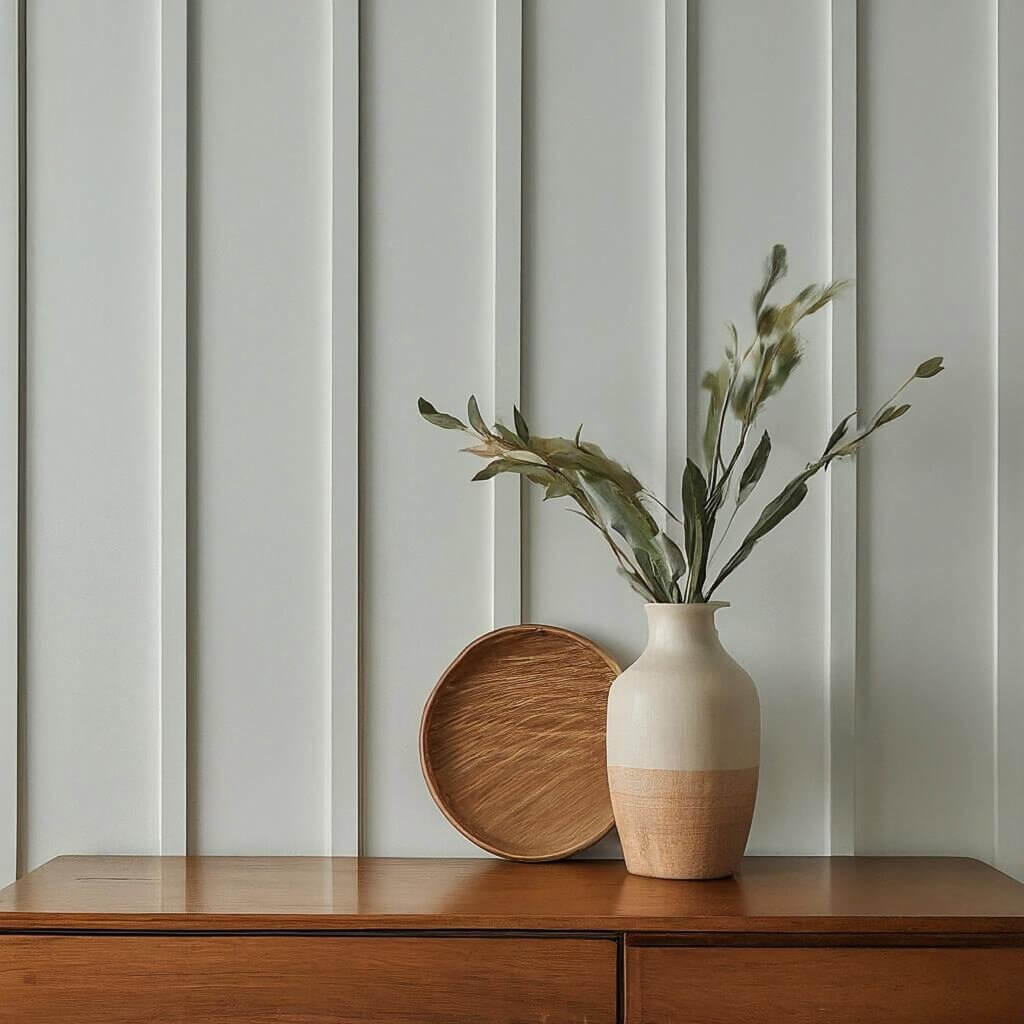
Board-and-batten paneling has become a staple of today’s home interior designs because of its universal appeal. It looks traditional and unassuming, meshing with trendy concepts like farmhouse chic and modern minimalism.
Board-and-batten walls combine form and function. They lend depth and texture to the space, adding more character to an otherwise drab room. This paneling style is highly customizable. There are no hard-and-fast rules about spacing the wood strips or battens from each other.
Interior Design Inspiration
Board and batten can elevate different rooms in the house — the living room, home office, bedrooms, and even entryways. Though it’s a good practice to use the same paneling across the board, this style can complement others to make your space more interesting.
For example, using board and batten on some walls and shiplap on others diversifies your home interior’s aesthetics. Since the two paneling types share similar vertical or horizontal elements, they can break monotony across your rooms while tying them together.
Many sources of board-and-batten wall inspiration feature wallpaper. Wainscoting the bottom of the wall with strips of cedar, oak, pine or redwood accentuates the upper part’s decorative treatment, balancing the design’s visual weight.
Alternating stained and painted board-and-batten walls gives every room a unique personality while maintaining a uniform paneling approach. In larger rooms, staining wooden walls can bring warmth. In smaller spaces, painting them allows the light to spread more easily and create an airy ambience.

Installing a Hidden Panel Door With the Wall
Installing a hidden door in a wall only works when you can make it inconspicuous. Matching the adjacent wall’s color and finish achieves flawless integration.
You have two panel door construction options — prehung and custom-built. Prehung panel doors from Hidden Door Store are finished products. They come in standard sizes with customizable features.
Custom-built secret panel doors are conceptualized and fabricated from scratch. If you prefer a unit designed specifically for your space, this is the option for you.
Prehung and custom hidden door installation is straightforward. These prepackaged doors are easier to install than DIY hidden door kits that require assembly. Anyone with basic tools can do the job in only a few hours if the rough opening is plumb, the walls are flat and the floor is level.
However, adding trim and molding can complicate an otherwise easy DIY board and batten wall door project. You should use computer-aided design software to create accurate models of these decorative pieces. Two-dimensional drawings don’t allow you to evaluate them from all angles, increasing the risk of error.
The hidden door customization experts at Creative Home Engineering — our sister brand — Perform a detailed CAD analysis of every layout to to ensure every panel door element matches the appearance of the surrounding board and batten walls.
Expect to pay less if you choose a prehung door over a custom-built one. You can receive your hidden door in two to three weeks and spend about $3,000 without upgrading standard components or adding more features.
How to Install Your Hidden Panel Door
Follow these tips to build your board-and-batten wall and install your hidden door.
Preparing the Wall
Make sure that the opening matches the specifications sheet for panel doors found on our website. Create a stud wall to enclose the space you want to turn into a secret room. Measure your space to build the timber frame accordingly, then attach the studs to the floor and ceiling. Observe proper spacing for drywall and hidden door installation.
Cut drywall sheets according to the framed area’s precise dimensions. Leave an eighth-inch gap at the edges to keep them from crumbling.
Hang and screw the sheets to the studs. Ensure there’s a half-inch gap at the floor to protect the drywall from floor and wall expansion.
Tape the seams. Apply a joint compound and sand the rough areas to create a smooth finished appearance.
Building the Paneling
Ensure the wall is level before proceeding. Note the dimensions of your hidden door’s boards and battens for cohesion. Fasten store-bought battens with brad nails directly into the drywall.
Mount the baseboards, so they don’t touch the floor. The gap underneath them helps make the door unnoticeable when installed slightly above the baseboard next to the opening.
Installing the Hidden Door
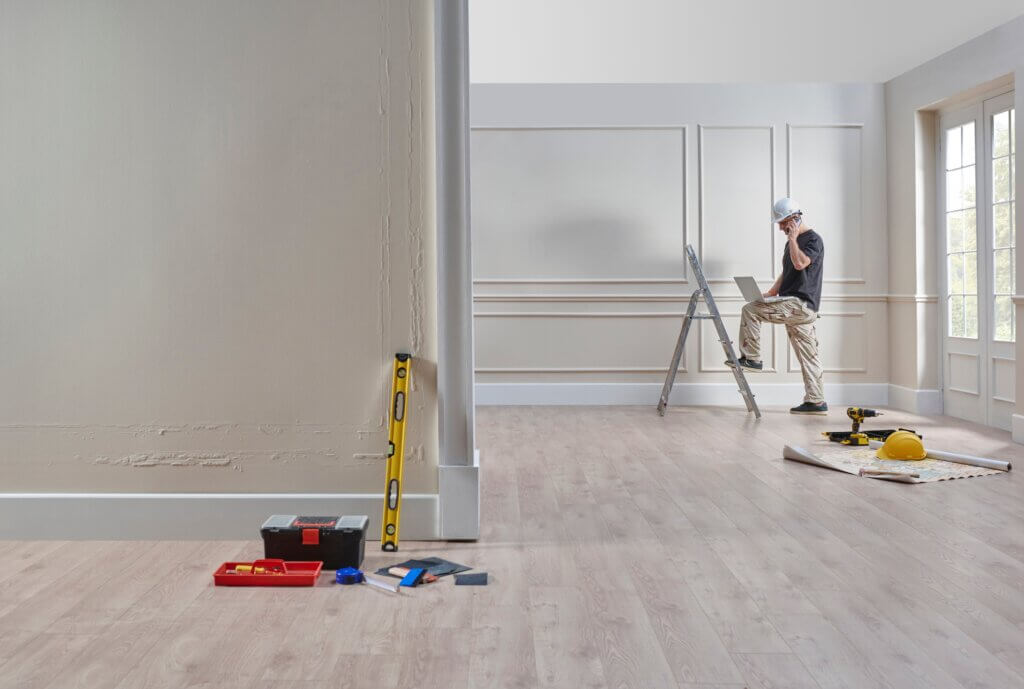
Ensure everything is plumb and even with a laser level before you install your Hidden Door Store product. If your floor is not level, your prehung unit may behave like a ghost door that opens unexpectedly or rubs on it. Use a leveling compound to ensure your door can open to 90 degrees.
Check the door’s installation manual. Follow every step to ensure it aligns with the wall and operates smoothly. If you need assistance, call our knowledgeable technicians.
Putting the Finishing Touches
If you buy a prefinished door with light, medium or dark stain, you can stain your board-and-batten wall beforehand. Otherwise, stain or paint everything after installation.
Some paints, like latex, can be tricky to apply because they can become sticky, especially when not cured properly. Hard lacquer is a better finish option.
Hide a Panel Door in a Board-and-Batten Wall
Let Hidden Door Store help you disguise a panel door with board and batten. Contact them today to narrow down your prehung door options and discuss your project.