Article Summary
- A hidden room can also serve as a fortified panic room or storm shelter, offering dual utility for your investment.
- Beyond natural disasters, Hidden Door Store designs help protect against civil unrest and home invasions where law enforcement may be overwhelmed.
- Proper location, high-quality concealment and essential supplies are key to creating an effective disaster-ready hidden room.
Hidden Rooms and Disaster Preparedness: What You Need to Know
There’s more to secret passages than their novelty and mystery. In an uncertain world, a hidden room is a strategic investment in family safety. It can serve multiple purposes, from securing valuables to providing shelter during an emergency, making it a compelling addition to any disaster preparedness plan.
Why Choose a Hidden Room for Your Disaster Preparedness Plan?
You don’t have to choose between a hidden room and a panic room. The two are not mutually exclusive, and the best panic rooms are often the ones that no one can find. A single well-designed space can offer the following benefits.
Protection During Civil Unrest
Natural disasters are often followed by a breakdown in law and order when emergency services are overwhelmed. In these scenarios, a visibly fortified room can attract unwanted attention, while a hidden room’s primary defense is that it goes completely unnoticed.
Security for Unoccupied Properties
Hidden rooms are perfect for vacation homes and primary residences of people who travel often. These properties can be targets for burglars who know they’re empty. A secret safe room ensures that even if a break-in occurs, the most important documents, heirlooms and valuables remain secure.
What Disaster Hidden Rooms Can Help With
A secret panic room is ideal in scenarios where the primary threat is human and the goal is to go undetected. During home invasions and burglaries, it provides an immediate, impenetrable hiding place for your family. You can wait out the situation, safely concealed behind its walls as you await police arrival or until the immediate danger subsides.
What Disaster Hidden Rooms Can’t Help With
While a reinforced hidden room offers significant protection, it’s not a substitute for a structure specifically engineered to meet the official criteria for disaster risk management. Shelters that meet the standards set by the Federal Emergency Management Agency offer near-absolute protection in hurricanes, tornadoes and other extreme wind weather.
Secret rooms may also not withstand a major earthquake or wildfire, as their integrity is tied to the main structure of the building. Even the most reinforced, fire-resistant safe rooms can be compromised if the house collapses or burns.
Choosing the Right Location for a Hidden Room
A panic room is useless if you can’t get to it quickly in an emergency, which means its location must balance structural requirements with immediate access. For tornadoes and windstorms, the goal is to get away from windows, so a basement safe room is the ideal choice. This provides the best protection from high winds and flying debris.
For threats that can occur at any time, such as home invasions, the best location for a safe room is on the upper or main floors. Multiple access points are crucial for multistory homes, like a secondary staircase or ladder system that’s integrated into the home design, with hidden doors on each floor. This ensures that there’s hidden room access everywhere in the house.
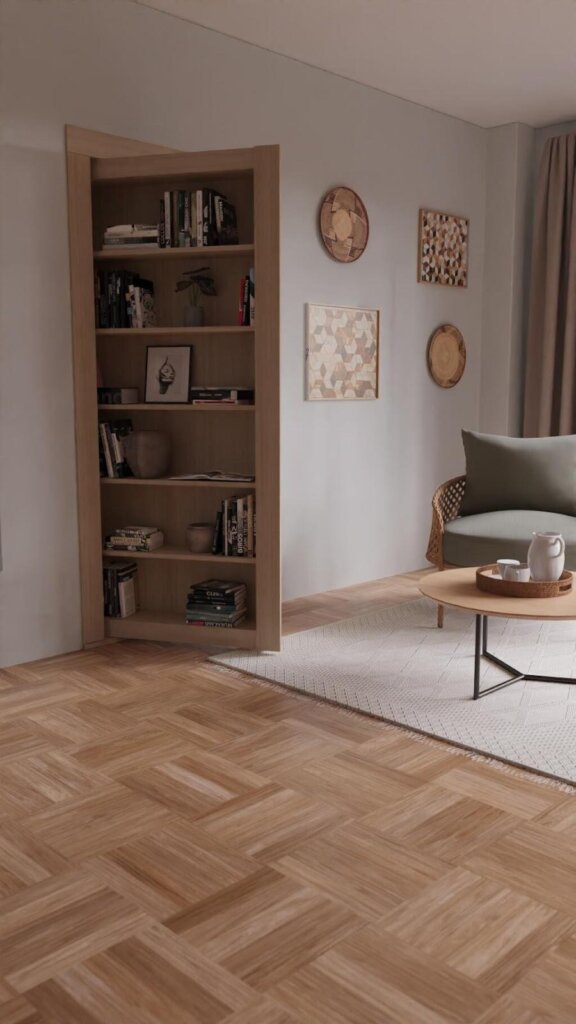
The construction is as important as the room’s location. A new build allows for a safe room to be perfectly integrated into the floor plan. Retrofitting an existing home is also a viable option. It often involves converting a walk-in closet, a space under a staircase or a section of the basement.
The Critical Role of a High-Quality Hidden Door
The door is the only part that isn’t a solid, fixed wall, representing a primary point of failure that can compromise the entire system if it’s not engineered to the highest standards. A breach at the entrance renders every other precaution useless.
To safeguard safe rooms, hidden doors that provide concealment without compromise are imperative. Poor craftsmanship — doors with large, uneven gaps or a tendency to sag over time — makes a “hidden” entrance painfully obvious. True security relies on precision engineering to ensure seamless integrations and zero light leakage for a near-invisible look.
A truly fortified door can also withstand extreme assault, as demonstrated by one owner’s anecdote where their door resisted both a pry bar and a truck attempting to pull it from its steel frame. High-security doors that meet the most rigorous standards worldwide can deliver this level of resistance and durability.
Essential Interior Safe Room Design and Supplies
Outfitting your room for a prolonged stay ensures you’re prepared for the unexpected.
Core Systems and Utilities
Set up dedicated battery backup systems or wiring for a generator to run lights and communications. Establish air filtration systems that work with nuclear, biological and chemical seals for long-term safety from airborne threats. A surveillance system is another must-have, allowing you to observe the area without leaving the secure space.
Emergency Supplies
Stock your secret room with enough of these essentials to sustain occupants for at least several days:
- Water
- Food
- First-aid kit
- Medications
- Flashlights
- Weather radio
- Batteries
- Hygiene supplies
- Clothing and bedding
- Important documents and cash
- Items for specific needs, such as infant formula or pet food
Is a Hidden Room the Right Choice for You?
Consider your geographic and social risks. If you live in an area with a rising crime rate or have an unoccupied property with valuables, a secret room is a great investment. It’s also good to have if you live in regions with severe weather events and environmental risks, such as tornadoes, hurricanes and wildfires.
A secret safe room can have a high up-front cost, but its benefits are undeniable during emergencies. Adding one to an existing home can set you back 20% more on average compared to building the same room while the property is still under construction.
Take the Next Step in Your Preparedness
Concealed safe rooms are a serious investment in your family’s safety. High-quality, fortified hidden doors will ensure they remain out of sight and secure when you need them the most. To discover the different ways secret entrances can be integrated into your home, explore our hidden room door designs or call Hidden Door Store today to discuss your project.