
Article Summary
- High-quality secret doors depend on engineering as much as appearance. A beautiful unit that sags, rubs or leaks light is not worth the investment.
- The best hidden doors use stable cores, structural reinforcement and purpose-built hardware rather than furniture-style shortcuts.
- Hidden Door Store’s preassembled options are installed in a jig and inspected before shipping, helping catch fit and performance issues before they reach your home.
How to Identify a High-Quality Hidden Door: Materials, Craftsmanship and Fit
A concealed door should do two jobs at once — it should visually disappear and work like a well-built moving system. That means the right option comes down to whether the structure can carry weight, the hinges can handle repeated movement and the finished result stays aligned after installation. Here’s what to look for.
What Materials the Doors Are Made of and Why It Matters
The type of material influences the fitment, function and longevity. Fire-rated hidden doors must meet specific requirements to pass fireproof ratings.
Core Materials
The inner construction affects almost everything, from weight and stability to durability and long-term alignment. Solid wood looks appealing, but it is not always the best for a secret door. On larger or heavier units, solid wood adds unnecessary weight, stressing the hinge system and increasing the likelihood of sagging on poorly engineered structures.
That’s why an engineered wood hidden door is often the better option. Constructed cores with hardwood veneer and steel reinforcing in key areas create a combination that gives the door a more stable base while preserving a polished finish. Internal steel slab components resist twisting forces, making it a structural component rather than a decorative cabinet.
Steel-reinforced frames matter most when the slab carries added weight like shelving, mirror assemblies or security upgrades. Composite and engineered materials give strength and reduce movement caused by humidity and seasonal changes. When you assess durable hidden door materials, look past the veneer and ask what is doing the real work underneath.
Surface Finishes
Appearance is more than cosmetic — it affects how well the panel blends with the surrounding wall, trim or cabinetry and how gracefully it wears over time. When investing in unfinished, stained or painted options or product lines, choose an option that blends the visible panels into the background aesthetic.
Achieve a superior top coat with precatalyzed lacquer, which protects the surface from everyday scuffs and keeps it from looking tired around touch points and edges. The finish should enhance concealment. On the best concealed hidden doors, it works with the room rather than fighting for attention.
Hardware Quality
Hinges are where quality becomes obvious fast. A camouflaged door should not need a floor ramp, a caster or a little upward lift from your hand just to close properly. A properly built unit opens and closes with only a few pounds of force, even when loaded, and experts specifically warn against feet, wheels and ramps used to disguise sagging.
Hidden Door Store says it machines exclusive Pivot Plus hinges in-house, plus patented five-axis adjustable hinges with variable anti-sag adjustment. That matters because secret doors do not live in perfect laboratory conditions. Foundations shift a little, humidity changes and shelf loads adapt. Good hardware gives you room to correct hidden door alignment instead of living with drag, rubbing and visible gaps.
Hidden Door Craftsmanship
Pay attention to the finer details like alignment and finish.
Seam Alignment and Consistency
A secret access is only convincing if the panel seams stay tight and consistent. Using the “penny test,” visible seams should be no more than the thickness of a penny, with two pennies stacked flat as the maximum floor gap. Never miss that benchmark in your chosen investment.
That kind of seam control is what separates seamless hidden doors from ones that only look good in staged photos. Gaps that vary from top to bottom, visible light leakage or closing on one corner first are all signs of poor craftsmanship or weak engineering. A quality option should read as part of the wall or built-in, not as a panel trying to hide in plain sight.
Attention to Finish Details
Finish details are where fabrication becomes visible. Look at edge lines, symmetry, reveals, panel proportions, and the way seams meet adjacent trim or cabinetry. Designs should minimize forward-facing seams and light leakage to achieve the look you want in invisible hidden doors.
Small misses show up quickly in disguised hidden doors. Misaligned panels, uneven trim transitions and sloppy paint lines tell you the maker focused on the idea of secrecy more than its execution.
How Hidden Door Store Addresses This
Installation is a big part of quality, and this is where a seasoned provider separates itself from lower-end competitors. All non-kit products should arrive pre-hung and ready to install, with electrical and locking systems already fitted and tested. Custom units must be preinstalled for quality inspection before shipment.
Flush Wall Hidden Doors
The surrounding opening dictates the finish. Follow specifications, using a plumb and level wall opening and a hard floor surface free of humps or bellies. Check the surrounding wall face for flatness. The final concealment and function depend heavily on the quality of that opening.
Load-Bearing and Structural Compatibility
A secret door should be designed for the load it will carry. That is especially important with bookcase units, mirrored panels and security models. CAD-based engineering, structural steel and hardware chosen for specific applications support upgraded locking hardware where the application calls for it.
Visual Camouflage and Continuity With Surroundings
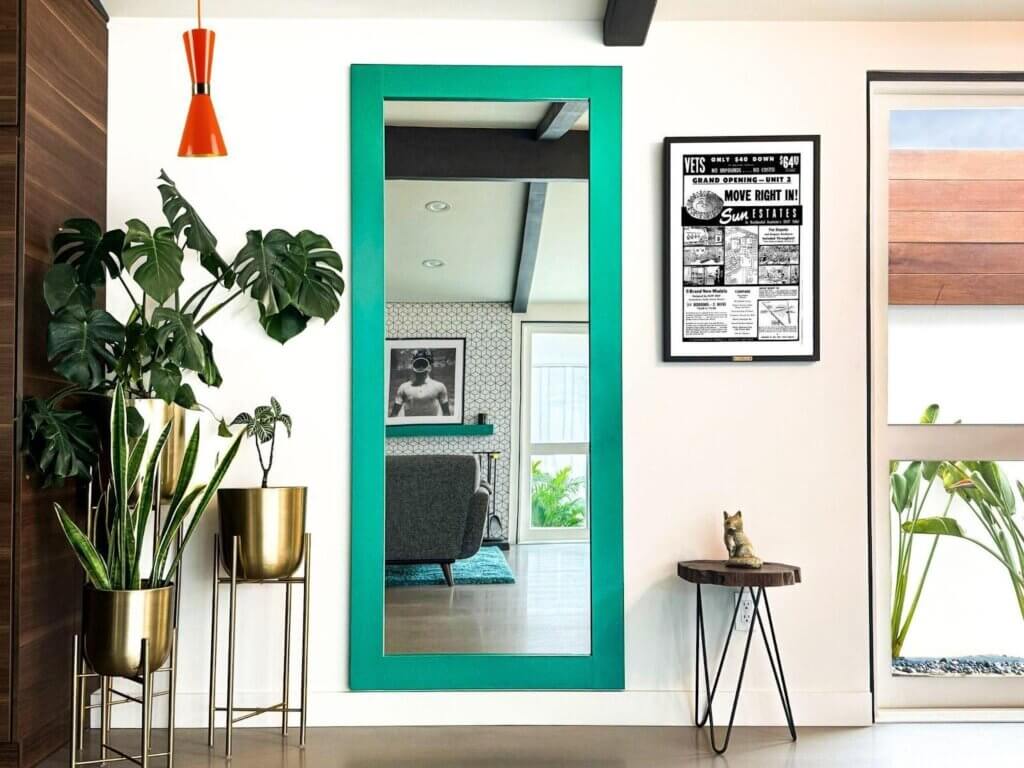
A convincing concealed door needs continuity in style, scale and detailing. That could mean matching the surrounding cabinetry, maintaining panel rhythm across a wall or keeping seams tucked into believable shadow lines. Some units are designed to minimize forward-facing seams and light leakage, which directly supports visual camouflage.
Functionality and Daily Use
Daily use is where weak doors start to reveal themselves. A high-quality option should not become harder to use after a few months. Operation should stay smooth, predictable and easy to adjust, which is where hinge systems directly support long-term usability.
Ease of Opening and Closing Without Visible Wear and Tear
If it grinds into the floor, leaves arc marks or rubs the frame, it was not engineered correctly. Casters and makeshift fixes often lead to uneven wear and drag. A good unit should protect the surrounding surfaces by staying aligned and moving cleanly.
Quality Warranty
Warranty terms can tell you how much confidence a manufacturer has in its product. Hidden Door Store offers a 10-year no-nonsense warranty on parts and materials because it believes secret access panels should be built to last.
Closing the Door
A high-quality camouflaged door is attractive, stable, well-engineered and precise in the details that matter most — core construction, hinge adjustment, seam control and installation fit. If you are comparing concealed hidden doors, pay close attention to what supports the product internally, how it will adjust over time and whether the manufacturer has a real quality-control process behind its results. Explore the latest ready-to-assemble kits and custom doors the Hidden Door Store has to offer for your security and secrecy needs.