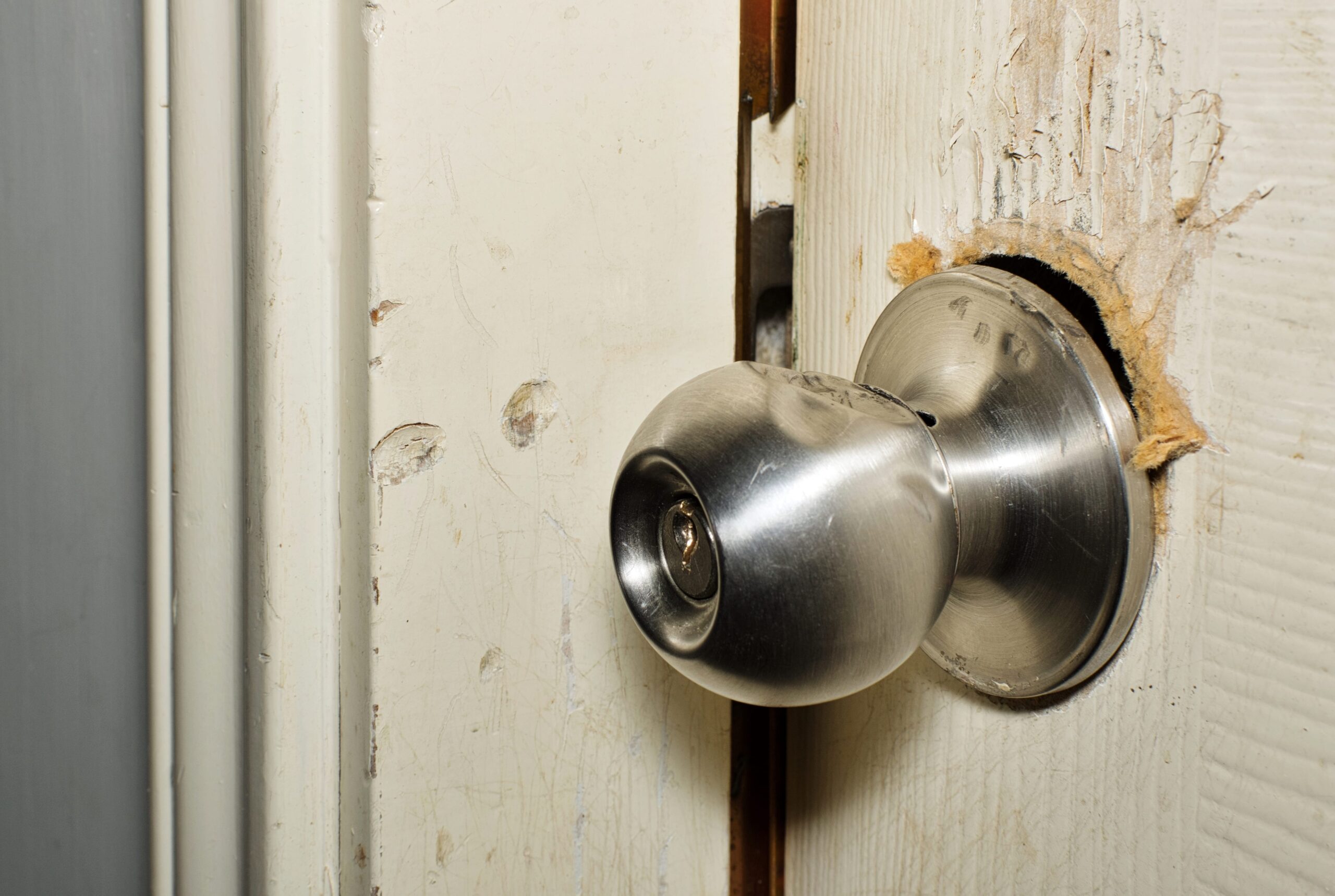
The doors in your home should do more than let you in — they must also keep intruders out. Plenty of homeowners address this with locks, bolts, and other reinforcements, but these efforts may fall short. At the end of the day, traditional options are inherently weaker than a concealed door.
Why Conventional Doors Are Weaker Than They Seem
A staggering 34% of all burglars enter through the front door, and another 22% come through the back. Given such high traffic, your entryways should be secure, but a conventional door can only provide so much protection. Just ask Goldie Hawn, who was a victim of burglary twice with her traditional doors.
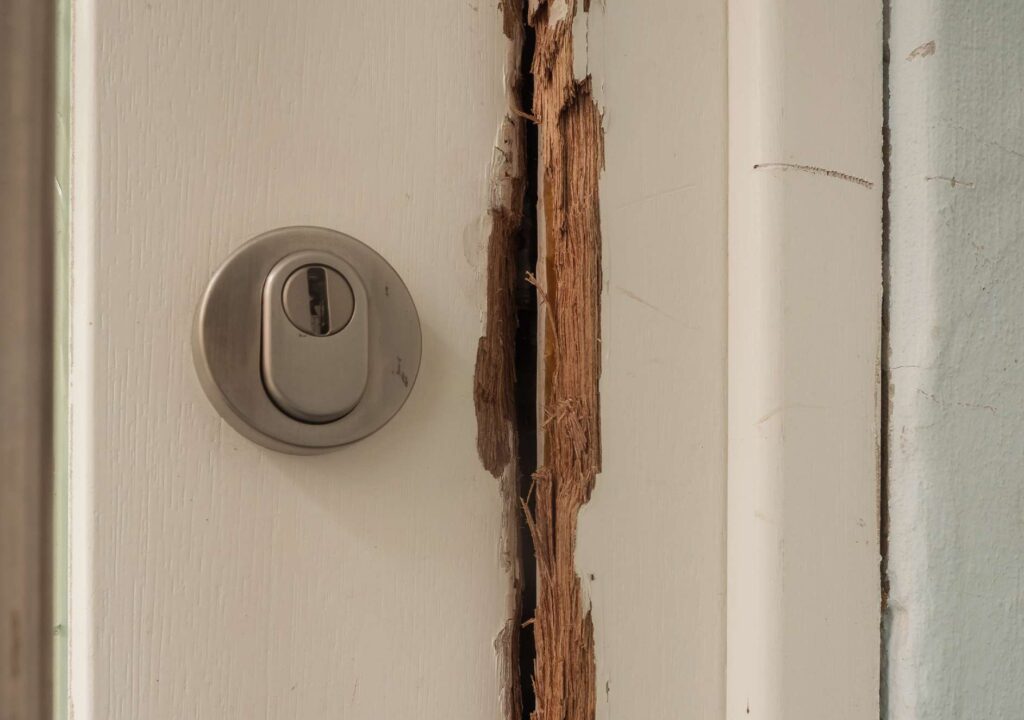
This is because most reinforcements focus on the door itself, but the frame, hinges and surrounding walls may still have weak points. A weak frame or thin wall around an entryway renders any locks obsolete. Intruders can simply break through the surrounding material by kicking through it or using tools. The hinges and bolts, in particular, are often vulnerable, as they’re not obvious targets like handles and locks but are fairly easy to loosen or snap with simple tools.
Many companies offer reinforced doors, but strengthening the material itself is of limited use. People can easily kick open a bulletproof door if it lacks structural strength, at which point stopping a bullet wouldn’t do much. Wooden supports are also insufficient because the wood itself is an easily damaged material.
A chain is only as strong as its weakest link, and conventional entries overlook far too many links. Consequently, even a relatively resilient door will only do so much to keep someone out. Creating a hidden door instead offers a crucial advantage.
How a Hidden Door Improves Security
Hidden doors offer several critical advantages. Solutions from the Hidden Door Store, in particular, are so much safer that you’ll get double your money back if a burglar finds and enters your secret door.
A flush door’s biggest security advantage is that intruders can’t find them. Keeping an entry point secret is the most important step in protecting against home invaders because no one will attack something they don’t know is there. Even without reinforcement, a secret door is safer than a strong conventional one because weaknesses don’t matter if criminals are unaware of their presence.
The structure that keeps a secret door concealed lends it extra strength, too. Hidden Door Store doors use structural steel support components to avoid warping and keep the entrance flush with its surroundings. The steel grants additional resistance, as criminals can’t break through it as they would conventional framing.
Criminals can easily break wooden doors and frames, which is why steel reinforcement bars are common in Europe. While many American entrances lack them, steel structural supports are crucial to hidden doors, granting them extra strength. Adding extra support to a hidden door makes it even more secure. Materials like steel and other alloys go a long way in bolstering defenses, but secret entries can maximize their value through clever geometry.
Steve Humble, president of the Hidden Door Store, notes “You’ll find that an 1/8-inch piece of steel that’s bent strategically will perform better than half-inch steel, even when the half-inch is a lot more material.” That strength comes from even pressure distribution through the curves, despite a thinner, more hideable sheet.
Hidden switches and locks add to a concealed security door’s safety. Visible handles will give away a secret entrance’s presence, and noticeable locks can point intruders to a door’s weak points. However, if these components aren’t clearly visible, home invaders won’t know to target the area.
A burglary occurs every 13 seconds in the U.S., causing an average of $2,200 in losses and damage. In light of that trend, you can’t afford to overlook the security advantages of creating a secret door.
Reinforcing Your Concealed Door
When installing a secret door, it’s important to keep a few extra security considerations in mind. Camouflage is the most important factor in keeping a hidden room safe, but additional reinforcements maximize the benefits.
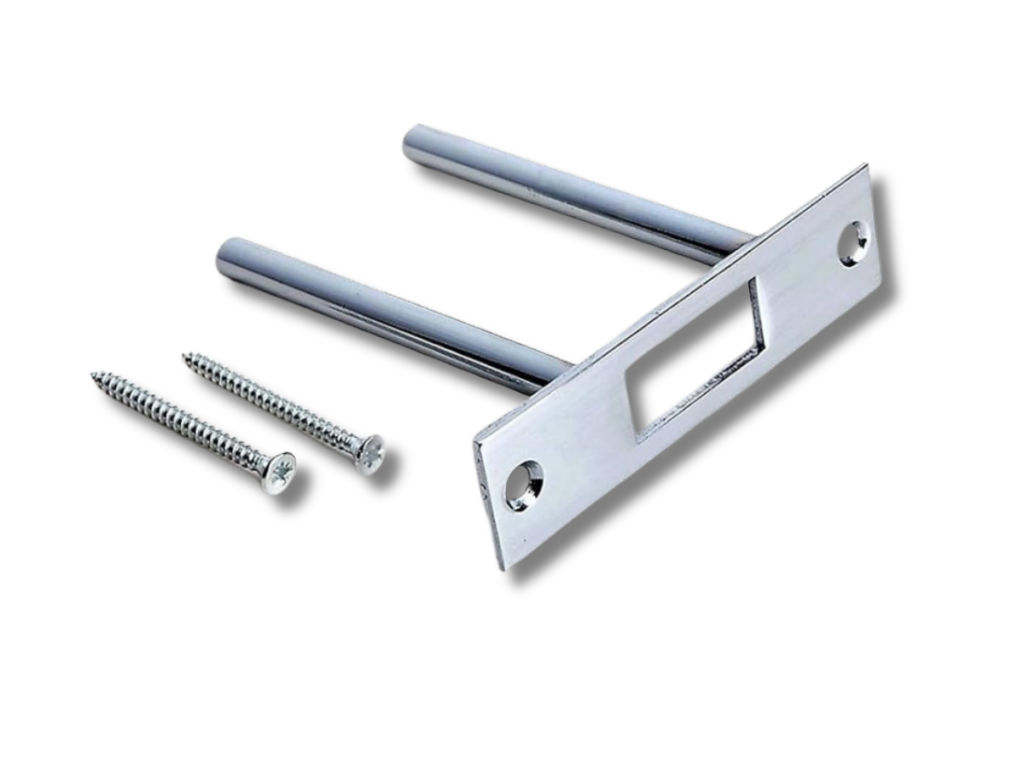
A strong frame and connection points will go a long way in bolstering your defenses. Many door hinges and locks use shockingly small screws, making these areas relatively easy to kick in. Thicker and longer bolts significantly improve pullout resistance in all materials, so look for options with larger connections and reinforced frames.
Similarly, because hinges are usually a door’s weakest point, protective overlays in these areas greatly improve security. A metal flange that goes over the hinge and other moving parts when closed will stop intruders from damaging connectors through brute force or tools.
What Makes HDS Security Doors Different
The Hidden Door Store meets these demands in several ways other manufacturers may miss. All HDS concealed doors place a strong emphasis on camouflage, only allowing visible seams of 1/16 of an inch, which is roughly the thickness of a penny. This lack of noticeable gaps — plus attention to keeping locks and switches hidden — makes intruders far less likely to see the entryway.
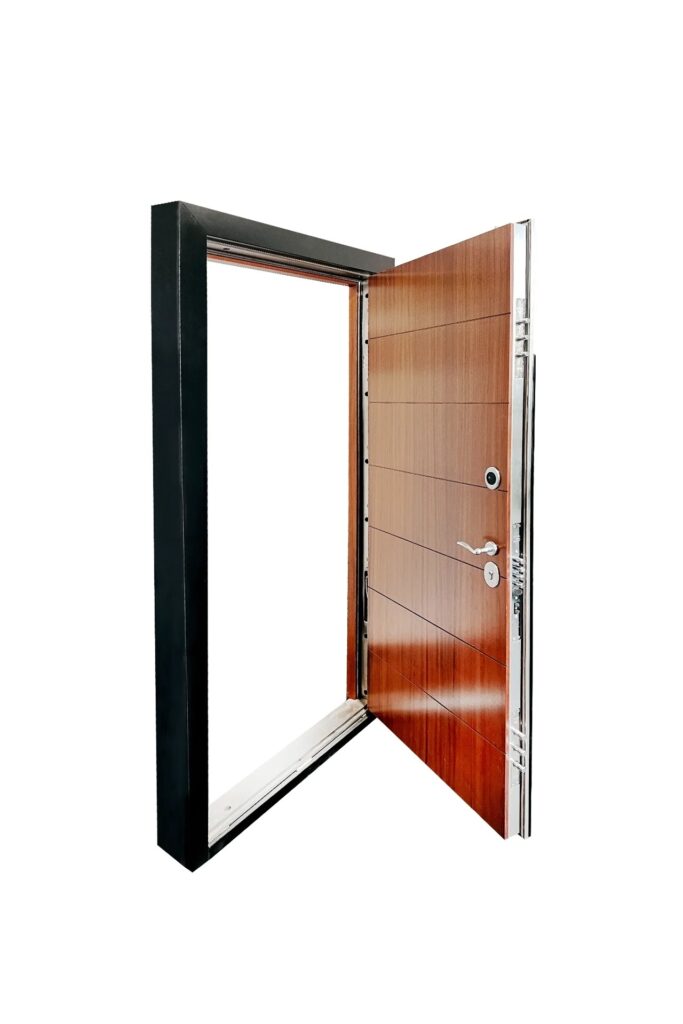
HDS hidden doors also use a pre-hung system, meaning they include a special frame with the door. That way, you have confidence in the structural integrity of the supports, not just the door itself, which eliminates common weak points in conventional alternatives.
Similarly, security doors from HDS have additional protections over natural weak points. Steve assures, “All of our security doors will have a full-perimeter flange that overlays onto the wall, and it completely protects the hinge space. That way, you can’t get a saw tool — like a reciprocating saw — to attack the black bolts.”
An emphasis on strong materials and in-house production removes concerns over subpar manufacturing from outsourcing. By not letting others handle critical production steps, HDS ensures all its components meet its high standards.