Article Summary
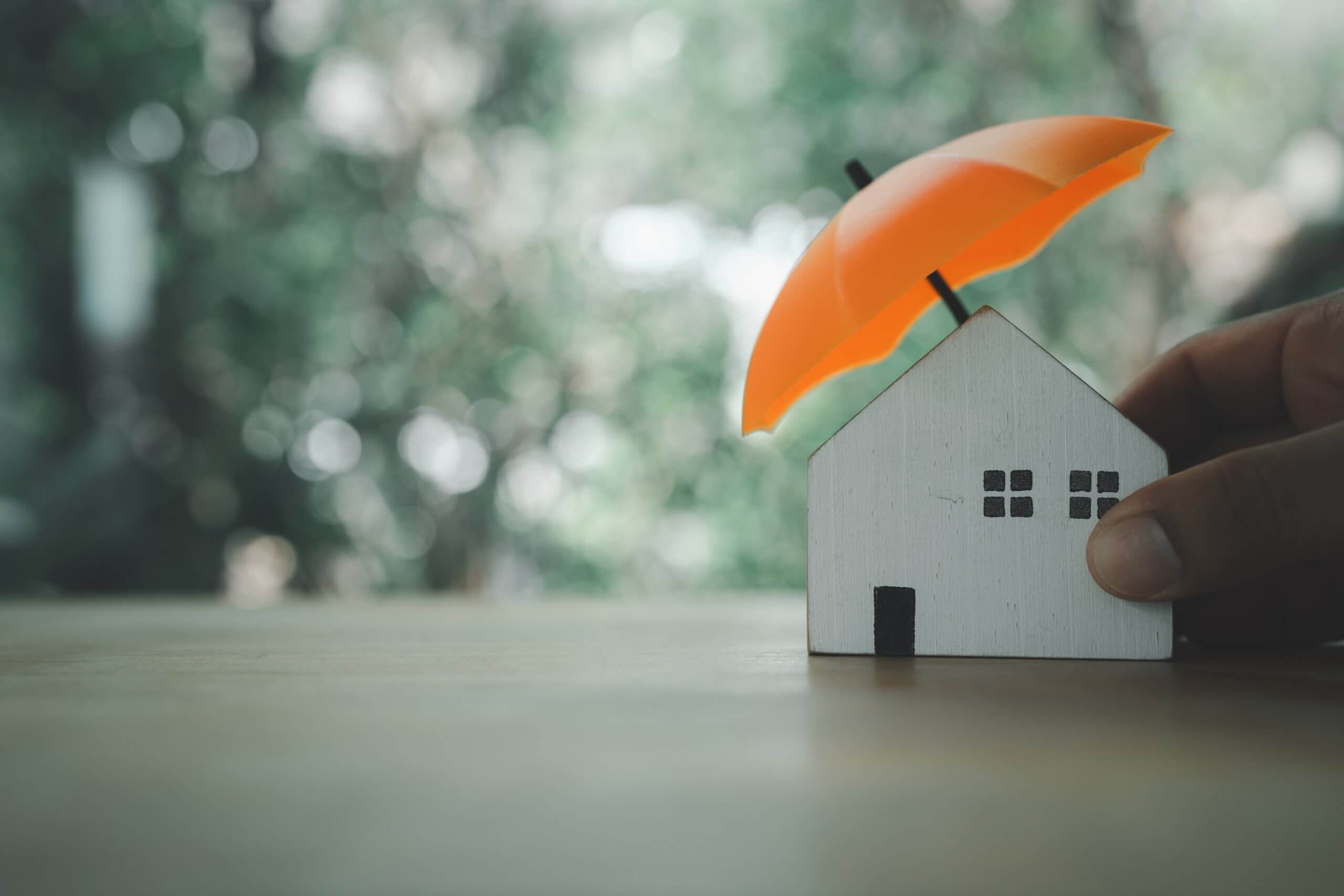
- A true home safety plan uses a layered approach, combining visible deterrents like alarms with hidden defense, like a secret door from the Hidden Door Store.
- Concealment is key, as intruders can’t steal or harm what they cannot find.
- Modern, hidden doors blend seamlessly into your home’s structure and decor while providing fortress-like, forced-entry-resistant protection.
Building a Home Safety Plan: Preparing for Intrusions and Emergencies
Home security is not a product you buy, but a proactive, holistic strategy. It’s the difference between calling for help after a break-in and preventing a burglary in the first place.
An effective plan prepares for multiple scenarios and uses a layered approach. It combines visible deterrents like alarms, cameras and a family dog to make your home an unappealing target while also establishing a hidden line of defense, like a secret door. Consider adding these strategies to your home safety plan to cover all your bases.
Assess Your Home’s Security Risks
Walk through your home and identify vulnerabilities that criminals can exploit. Factor in these aspects when you develop your intrusion prevention plan:
- Exterior view: Stand on the street and check for blind spots, like fences or overgrown bushes that could let someone work unseen. Ensure your house number is clearly visible for emergency responders.
- Lighting: Assess the exterior lighting at night. Consider getting motion-sensor floodlights, especially for areas near doors and windows with deep shadows.
- Entry points: Ensure every door and window latches securely and has solid frames. Some burglars might ring the doorbell to see if anyone is home, so consider what they can see from your front porch.
Statistics show that 52% of all burglaries in 2024 targeted residences, and many happened during the day. Research crime information in your area. Take note of your proximity to transient areas or major roads that offer easy escape routes, and be aware of any recent break-ins in your neighborhood.
Strengthen Your Entry Points
Standard residential doors often offer easy entry points. A pry bar or a strong kick can break them because of their hollow cores, soft-pine frames and short screws. Many intruders come prepared with tools to bypass locks and bolts, but that may not even be necessary if the door’s surrounding structure is weak. Home invaders can break through thin walls and flimsy frames.
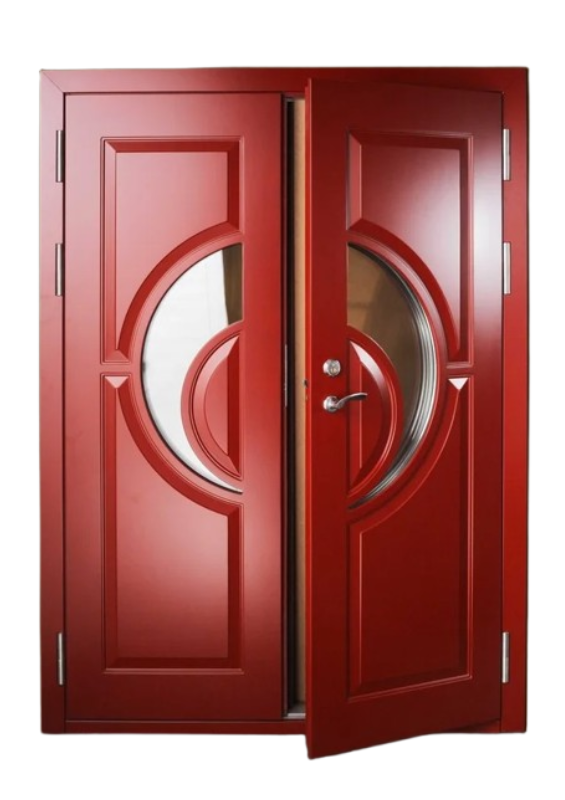
Investing in a forced-entry-resistant door offers more protection. Many armored doors have steel support to prevent warping and keep the entrance flush against the structure, preventing pry bars from gaining footholds. Intruders also can’t kick through steel like they can a wooden frame.
After a locked door, windows are burglars’ next favorite target, especially those on the ground floor or hidden from street view. Reinforce yours with secondary locks. Apply clear security film, which holds shattered glass together, preventing intruders from smashing a window to gain entry quickly. You can also invest in security windows with impact-resistant laminated glass, reinforced frames and multipoint locking systems.
Establish a Safe Room or Secure Space
A safe room is a predesignated, fortified space that provides shelter during an emergency. It’s more cost-effective than building your entire house like a fortress, and a place that’s reinforced against extreme weather events can also withstand intruder attacks.
Choose a room that you can secure quickly. Ideally, it should be in a low-traffic area near where you spend the most time or where you sleep, for quick access during a nighttime emergency. Store flashlights, spare mobile devices, nonperishable foods, first-aid kits and other essential supplies to prepare for long stays.
Conceal your safe room with a hidden door to keep burglars from knowing its existence. Consider investing in one that can hold against FE5 and FE15 attacks, which means it can endure five to 15 minutes of relentless forced-entry attempts. You can also use a secret door to hide storage spaces and emergency supplies throughout your home.
Secure Valuables and Important Documents
Burglars know how to break into safes, and those who don’t can steal the entire storage unit. Keeping your jewelry, firearms, critical documents, expensive gear, family heirlooms and other valuables in a safe room offers more protection because it’s hidden. Even if intruders spend hours or days in your home, they won’t be able to find it. You can go on vacation for weeks with peace of mind that your valuables will stay safe while you’re away.
When installing a hidden door to conceal valuables, ensure you choose a system built for defense. Not every hidden door is built for security. Many decorative bookcase doors lack the engineering required to stop a determined intruder. To truly improve home security, prioritize features like an internal steel structure that can prevent forced entry and anti-sag adjustments for long-term reliability.
Adopting smart habits can also reduce your risk profile. Avoid storing valuables in visible places, like leaving laptops and other expensive items in plain sight of a window. Secure digital backups of passports, deeds, insurance policies and other critical paperwork on an encrypted cloud service or protected hard drive.
Prepare for Multiple Emergency Scenarios
Make plans beyond intrusion prevention, such as evacuating when there’s a fire. Ensure everyone knows the fastest escape route and the alternative exit points in case the first option is inaccessible.
For storms and tornadoes, get to the reinforced safe space. Keep the room well-stocked with essential supplies and emergency kits to prepare for long stays. This ensures self-sufficiency in case first responders are overwhelmed after a devastating natural disaster.
Use Technology to Enhance Security
Over 3,370 break-ins occur in America daily. Avoid becoming part of that number by fortifying your security’s outer layer with visible technologies to make your house a less attractive target. However, these tools are reactive, and they can’t protect you when you’re trapped inside your home with an intruder. Setting up smart cameras, motion sensors and alarm systems with mobile alerts will only help you stay on top of what’s happening around your home.
Add another layer with hidden technologies, like smart locks and access control. Unlike traditional locks with keyholes to pick, you can integrate a modern electronic system anywhere on a high-security door or around it.
Ways to enter the space can range from placing a specific decorative item on a certain spot on the shelf to entering a password on a keypad concealed behind a piece of sliding trim. The possibilities are nearly endless, and understanding how this technology works is a critical part of learning how to install a hidden door.
Combine Security With Design
You don’t have to choose between a beautiful home and a secure one. A guest can admire your floor-to-ceiling library and the shelves’ fine craftsmanship, never knowing that one of the bookcases is a hidden security door.
Precise engineering results in a secret door that passes “the one finger test,” proving its balanced structure. It reduces forward-facing seams to prevent light leakage and other risks that may reveal the presence of a hidden safe room.
The Ultimate Defense Is a Hidden One
If a determined intruder wants to get in, they often will. But concealment gives you something locks and alarms cannot: what can’t be found cannot be stolen or harmed. Determined attackers may eventually get around your locks and alarms, but they will walk right past a defense they do not know exists.
For homeowners serious about building a truly comprehensive safety plan, solutions from the Hidden Door Store are the ultimate investment. Explore predesigned, high-security secret doors to find the perfect safety upgrade for your home.